
The brothers hildebrandt are mostly forgotten today. But at one point they were essentially THE artists of Nerdom. In 1977 they published a Tolkien Calendar. Today the depictions feel very quaint, but we live in the post Peter Jackson world where Alan Lee and John Howe basically became the masters of everyone’s imagination regarding middle earth. There have been numerous incredible artists, like the mostly unknown Ted Naismith, who have done much better work, work that feels much more organically connected to Tolkien’s world.
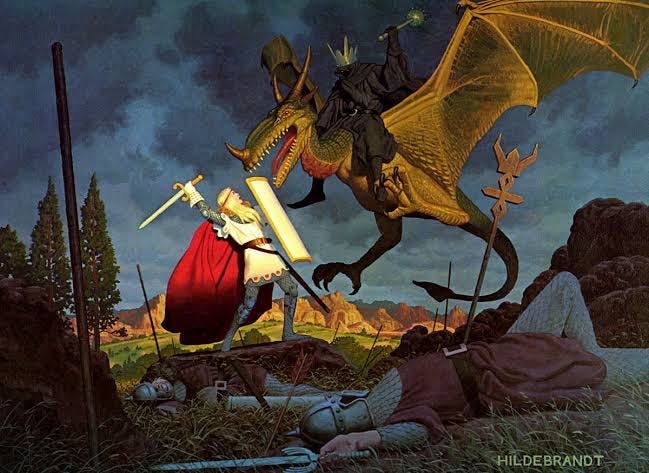
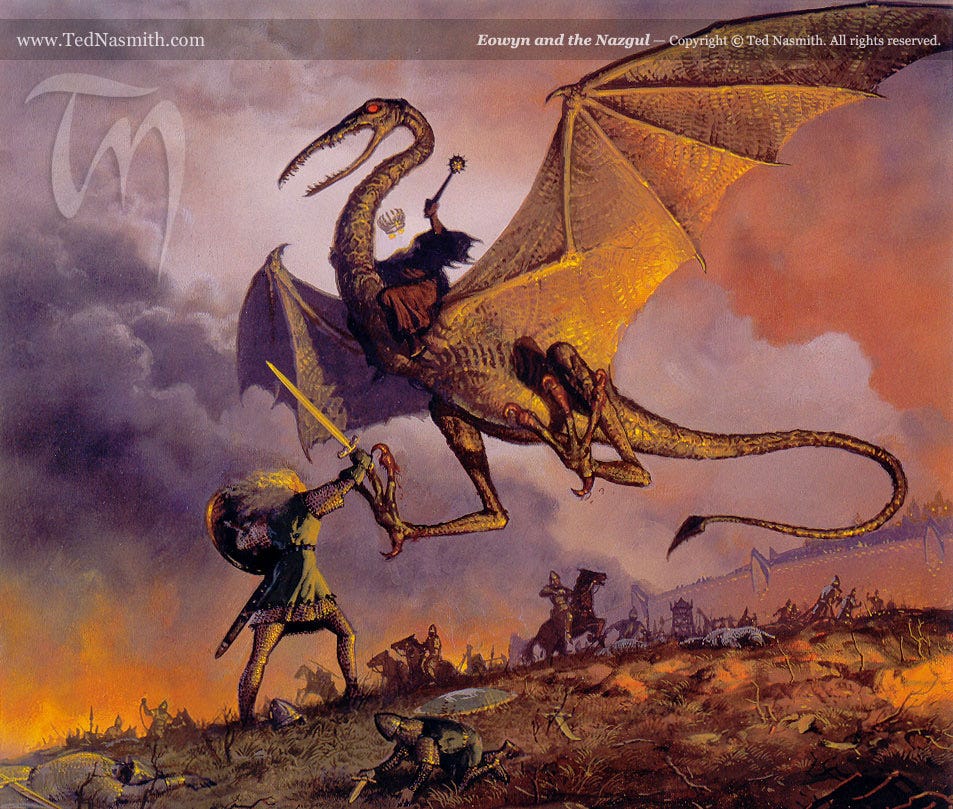
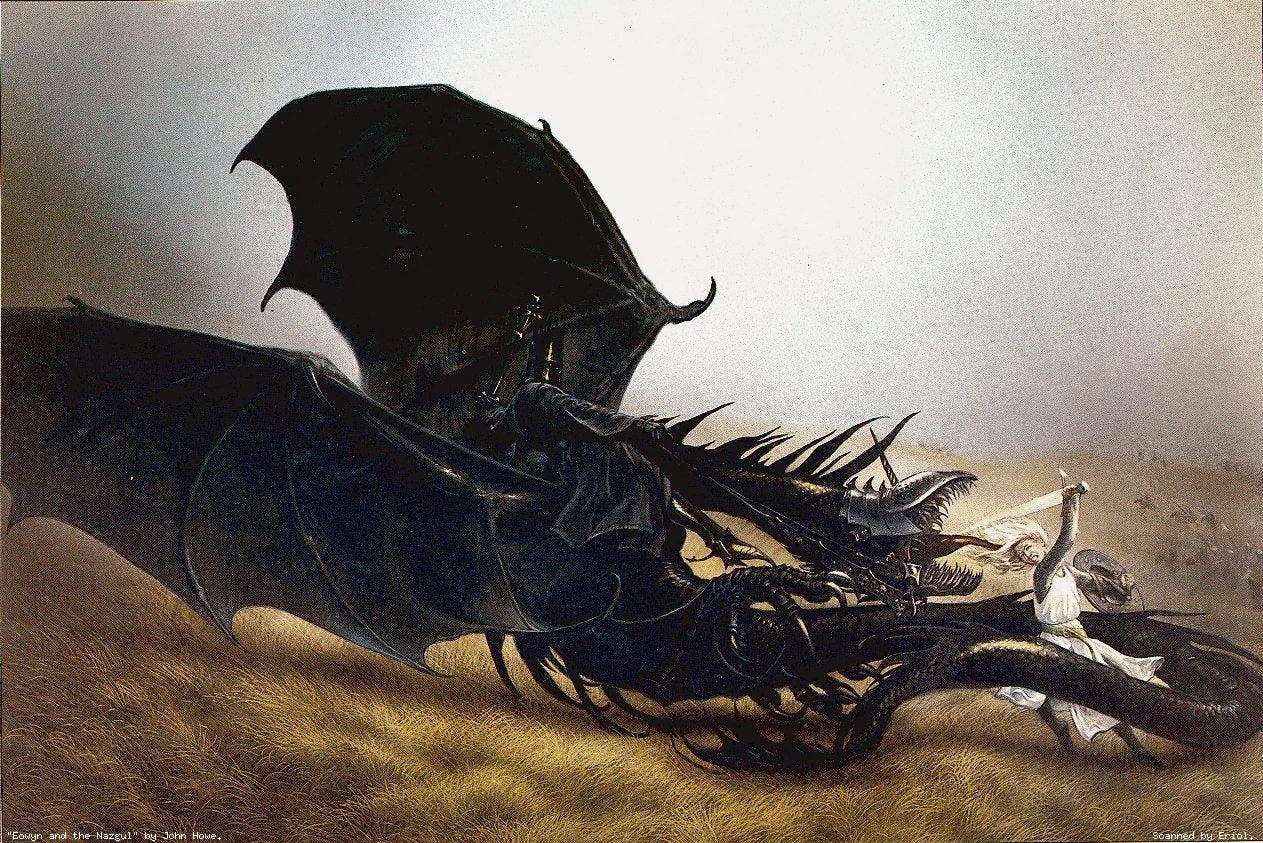
But the Hildebrandt’s artwork are actual paintings, beautiful paintings, and at the time there wasn’t really any LOTR content to speak of besides the books.
But in addition to the Tolkien Calendar the Hildebrandts were commissioned to do Terry Brooks’ debut novel The Sword of Shannara. That book in particular has been relatively reviled (while remaining one of the most popular fantasy novels ever) due to it being an intentional ripoff of LOTR. It both is and isn’t an explicit imitation of Tolkien, but regardless it ultimately did for fantasy publishing something Tolkien didn’t really do, created an entire industry of Tolkien imitators. Much of what directly followed Lewis and Tolkien immediately was more of a reaction to what they had done, not imitating or riding upon their legacy, and most of that stuff is only really appreciated today by the die hard fantasy fan. Stuff like Michael Moorcock’s Elric.
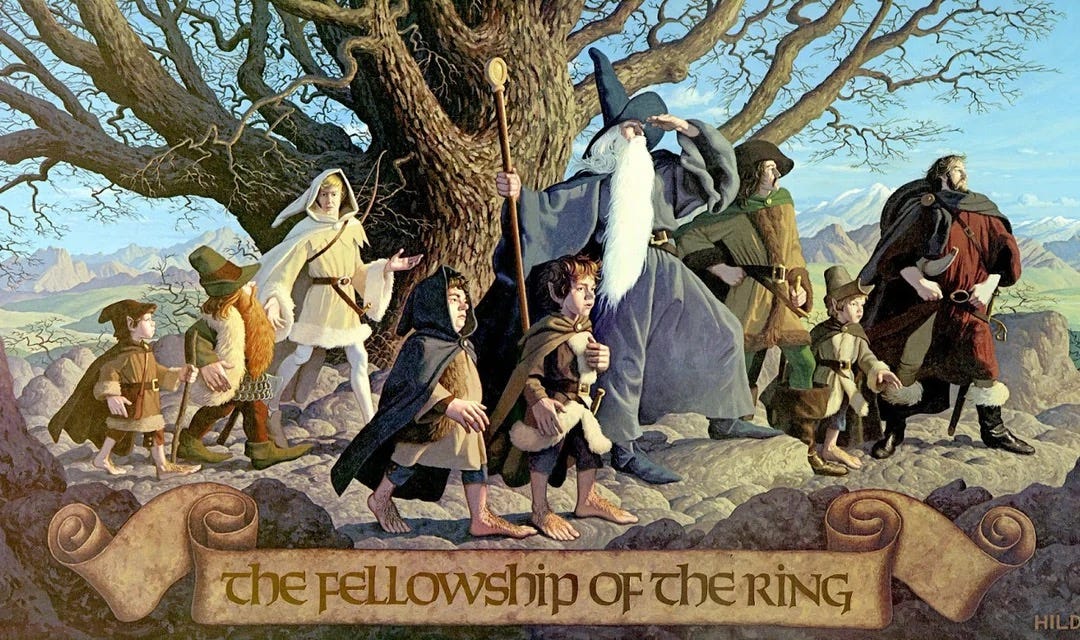
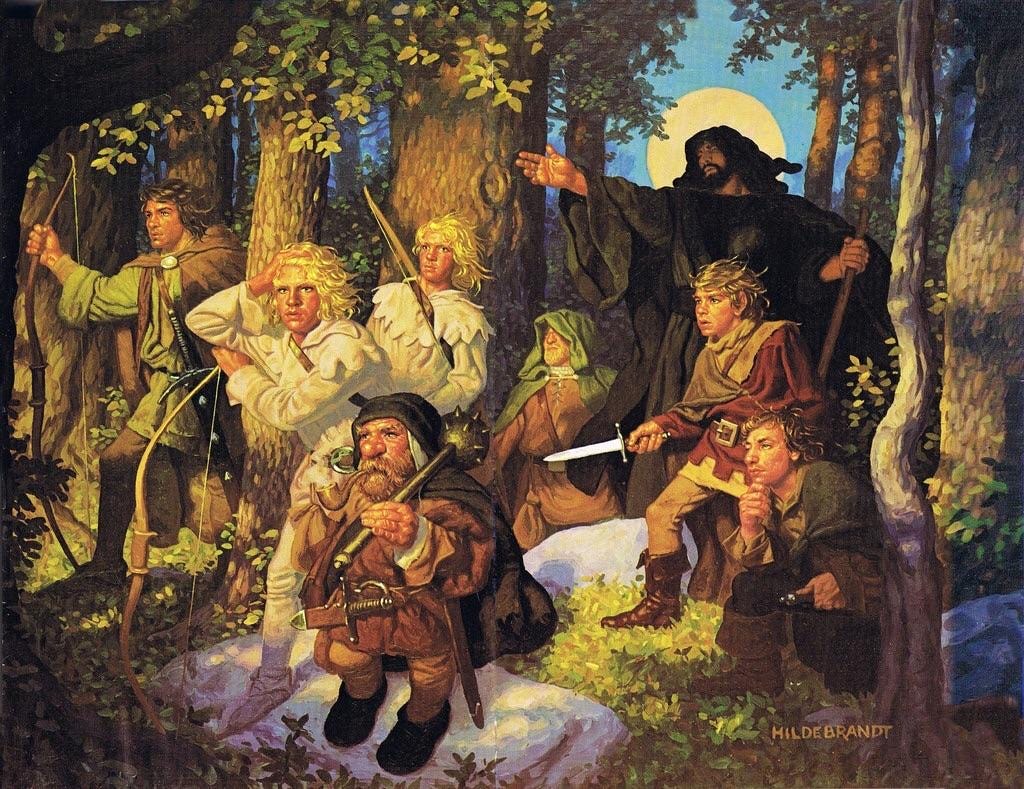
Love it or hate it Shannara is important, and while it’s nowhere near the classic LOTR is there’s really no telling where fantasy would be without. There’s a decent chance Jackson’s adaptations don’t happen at all without Terry Brooks. There’s no way to know obviously, but Shannara really reignited the fire for Tolkien and what he was doing. And the Hildebrandt brothers were a big part of that. Their visual interpretation helped create what we think of as fantasy.
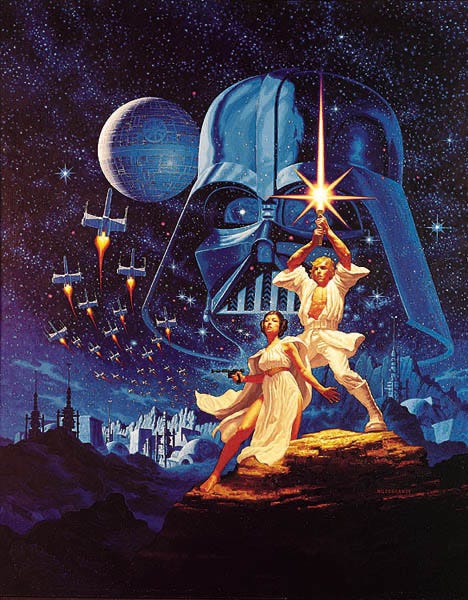
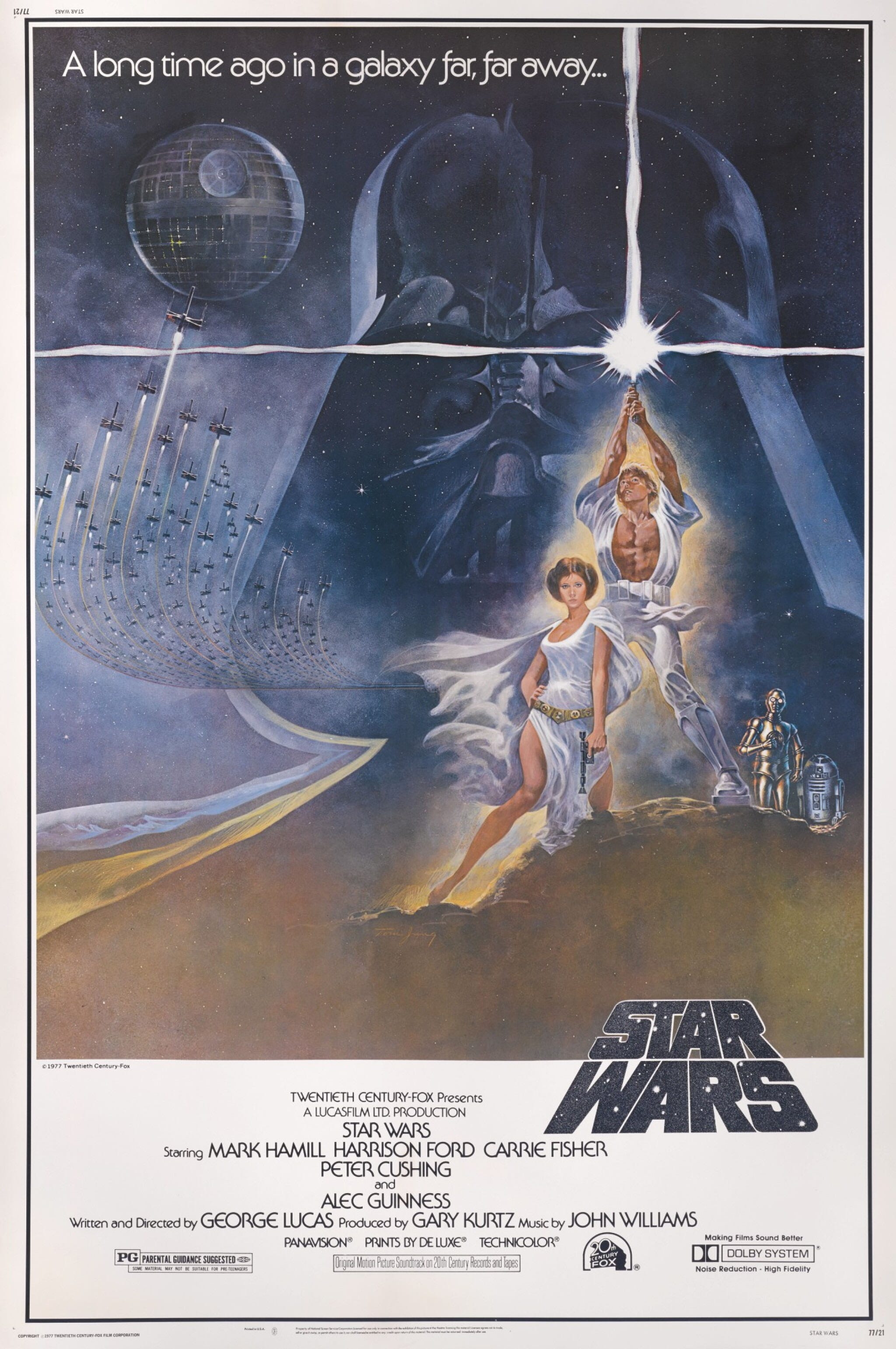
But the Hildebrandt’s most lasting and iconic contribution in 77 was a little film called Star Wars. They did the original poster, which ultimately is less iconic than the followup poster, but as you can see the second one is really just a remake of the brilliant original painting.
A few other things that contribute to 77’s significance for fantasy and nerddom.
Close Encounters of the third kind proves that Spielberg isn’t a one hit wonder.
Advanced D&D is published.
Zork, a text based adventure game, is released.
The Silmarillion is posthumously published.
Ender’s Game by Orson Scott Card is published in a much shorter form than the eventual full length novel.
But maybe most importantly (and in some ways most regrettably) Lord Foul’s Bane is published by Stephen Donaldson. This begins the long running Chronicles of Thomas Covenant series. Despite what anyone says this series is incredibly well written and conceived, but it’s absolutely where Game of Thrones and much of the anti hero fantasy of the last few decade comes from. Covenant is not a good person, he’s not a hero. Donaldson’s writing is sparse and brilliant, the exact opposite of Brooks’ meandering descriptions of everyone’s interiority loaded with endlessly unnecessary adverbs. This series deserves to be seen alongside all the major great fantasy franchises, I’m surprised by how rarely it gets mentioned and referenced. The reason is because Covenant, the main character is so unlikable, but to me this makes the bizarrely compelling narrative so impressive.
If Donaldson and Brooks debut novels were the only thing that happened in 77, that might be enough to put it into one of the most important years of cultural history, but if you combine that with these other artifacts, 77 is impossible to deny. It’s exciting to imagine what being a nerd was like that year. The only other year that comes close for me, at least in terms of fantasy literature, is 54. Poul Anderson publishes the incredible and severely under read The Broken Sword, Tolkien’s LOTR comes out, and Lewis publishes the Horse and his boy.